What we bring to a difficult sale
Selling houses is what we do, and in a divorce we do it in a very particular way. Everything goes to both sides at the same time. Nothing gets negotiated with one spouse behind the other. The number is written down so nobody has to remember what was said in a phone call.
We also know who to call. Divorce attorneys, appraisers who do formal valuations for court, and CPAs who handle the tax question on a marital home. Those are separate professions and we will point you toward people we trust.
Why a divorce sale needs a number, not a range
Ranges cause arguments. If the house is worth somewhere between two numbers, one spouse anchors on the top and the other on the bottom, and the divorce spends three months there.
A firm offer ends that particular conversation. You may decide the number is not enough and go to market instead, which is a perfectly good outcome and one plenty of divorcing couples choose. What you will not do is keep arguing about a range, because there will be an actual figure on the table.
Why local knowledge changes the number
A four-bedroom on Park Street. In Centereach, bought and paid for by us.
Centereach is roughly 30,980 people in Suffolk County, ZIP 11720, and the housing stock is mostly ranch, hi-ranch, cape cod. Around Middle Country Road and Nicolls Road, most of it is old enough that the mechanicals are on their second or third life. We have been buying across Suffolk County for 15+ years. We know what the Middle Country Central School District does to a resale price, which blocks still have oil tanks in the ground, and what a house like yours is actually worth here.
Nobody has to stage the house through a divorce
The median house in Centereach sold for $647,500 and took about 33 days to go under contract, then another 45 to 60 days waiting on the buyer's mortgage. That is 78 to 93 days in total, for a house that was ready to show on day one. All of that assumes somebody keeps the house show ready for months, which is a great deal to ask of a household in the middle of a divorce.
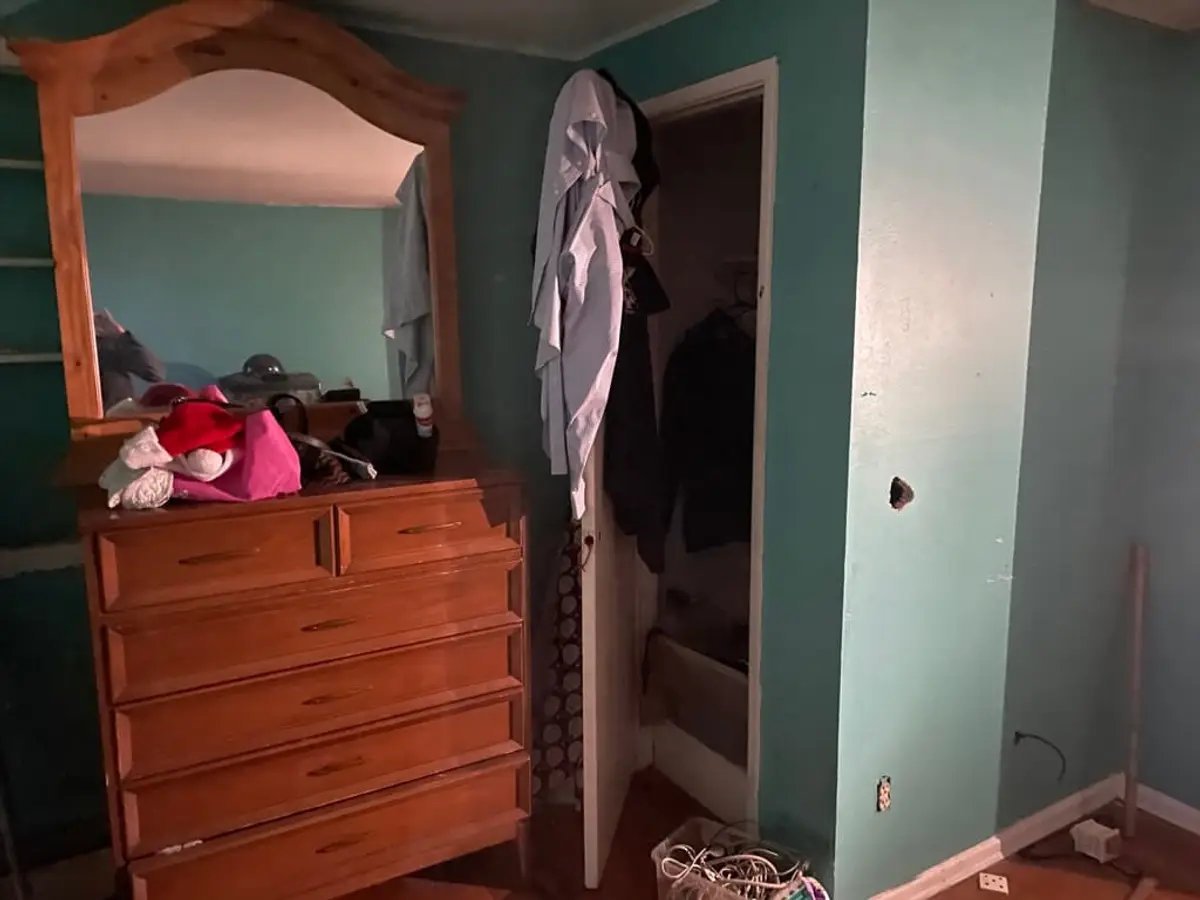
We look at the house once, in whatever condition it is in. Nothing gets painted, nothing gets decluttered, and nobody has to be out by ten on a Saturday morning. A divorce is hard enough without a lockbox on the door.
Setting the closing date yourselves
Divorce timelines and real estate timelines rarely line up on their own. A settlement gets negotiated around a closing date, and then the buyer's lender moves that date twice.
We close with our own funds, so the date we agree is the date. If you need sixty days, take sixty. If you need next month because the divorce is being finalized and nobody wants the house hanging over it, we can usually do that as well.
What the two paths cost in Centereach
These are the two routes open to you with a house in a divorce, priced against what Centereach houses actually sell for.
Work it against Centereach's own numbers. The median sale here is $647,500. A 5% commission on that is $32,375, and seller closing costs of about 2% add roughly $12,950. Those are costs we can cover on our side. That is $45,325 gone before anyone counts the repairs it took to get the house listable.
There are two waits in a listed sale and people usually only count the first. In Centereach the median house takes about 33 days to go from listed to a signed contract. Then it waits again, typically 45 to 60 days, while the buyer's lender orders an appraisal and underwrites the loan. Call it 78 to 93 days from sign to keys, assuming nothing goes wrong.
The part worth understanding is what a signed contract actually guarantees, which is less than most sellers assume. A retail buyer with a mortgage contingency can walk away right up to the end. If they do not qualify, if the appraisal comes in under the price, if they change their mind and let the financing lapse. A share of deals die exactly there, after months of waiting, and the house goes back on the market with time on it. We are not borrowing anything, so there is no lender to satisfy, no appraisal to come in low and no contingency to exercise.
| Listing with an agent | Selling to us | |
|---|---|---|
| Sale price | $647,500 (Centereach median) | Our written offer |
| Commission | −$32,375 | None |
| Seller closing costs | −$12,950 | We can cover them |
| Repairs before listing | Out of pocket | None |
| Cleanout | Yours | Ours |
| Showings | Until it sells | One visit |
| Listed to signed contract | 33 days (Centereach median, once listable) | 24 hours to a written offer |
| Contract to closing | 45 to 60 days (waiting on the buyer's lender) | A date you choose |
| Total wait | 78 to 93 days if nothing falls through | Yours to set |
| Can the buyer walk? | Yes (mortgage contingency runs to the end) | No financing to fall through |
| Before repairs and carrying | $602,175 | The number we put in writing |
For the listing side we have used a 5% commission and about 2% in seller closing costs; your real figures may differ. Repairs and carrying costs are left out because they depend on the house. If yours is in good shape, a good agent may well get you more than we would, and we will tell you if so.
When only one of you wants to sell the Centereach house
A surprising number of divorce sales unstick the moment there is a firm number on the table, because most of the disagreement was never really about the house. It was about not knowing.
We will give you that number with no obligation, and we will give it to both sides identically. If it turns out the divorce needs a court ordered sale, your attorney handles that part and we will work to whatever timetable the court sets.
What you do not pay when you sell a house in a divorce
Each of the following comes with a retail listing of a house in a divorce, and none of it comes with ours.
- Agent commission
- $32,375 at 5% of the Centereach median none
- Seller closing costs
- About $12,950 on a $647,500 sale. We can cover these. none
- Repairs to make it listable
- The work it needs to show well, out of your pocket first none
- Cleanout and removal
- Paid per load, before a single buyer walks through none
- Carrying costs while it waits
- Taxes, insurance and utilities for the 78 to 93 days of finding a buyer and waiting on their mortgage none
Buyouts, and when they work better than selling
Not every divorce should end in a sale. If one spouse wants to keep the house and can refinance into a mortgage in their own name at a payment they can carry alone, that is often the better outcome, particularly where children are involved.
That is a lending question and a legal one, so ask a mortgage broker and your divorce attorney before committing to it. If a buyout does not work, a sale is the usual fallback and we are here for that.
Common questions
Do both of us have to agree to sell the Centereach house?
Yes, everyone on the deed signs. What we can do is make sure both sides see the identical number on the same day, which removes one of the things divorcing couples most often argue about.
Can the offer go to our attorneys directly?
Yes, and often that is the simplest way to handle it. We have worked divorce sales entirely through counsel before and it usually lowers the temperature for everyone.
Can we sell before the divorce is finalized?
It depends on your agreement and on what your attorneys have arranged. Selling during a divorce rather than after it is common. Ask counsel first, then tell us the closing date you need.
What if my spouse is still living in the Centereach house?
That is workable. We can view the house at a time that suits whoever is there, and we can set a closing date that gives them a reasonable window to move. Occupancy does not stop us buying.
Will you tell my ex what I said to you?
No. We say the same thing to both of you and we do not relay anything else. That even-handedness is the only way a buyer can be useful in a divorce.