Why a trust sale is simpler than probate
Most people arrive at a trust sale in the middle of something hard: a parent has died, or has lost capacity, and the house is suddenly yours to deal with. The one piece of good news is that the trust was set up precisely to make this part easier.
The point of putting a house in a trust is to skip the Riverhead step entirely. If the trust is drafted properly and the trustee has authority to sell, there is no court timeline to wait on. Whether that is true of your trust is a question for the attorney who drafted it, and the title company will want to see the relevant pages too.
What we bring to a trust sale
Trustees usually inherit the job along with a house they did not choose, in a town they may not live in. We can make the property part of it considerably smaller.
We have worked through a lot of trust sales on Long Island and we know what title asks a trustee for, where the delays usually appear, and which questions belong with the trust attorney instead of with us. If something in your trust needs a specialist, we will say so and we can usually recommend one. Nobody gets turned away because their situation is complicated.
What this looks like in Centereach specifically
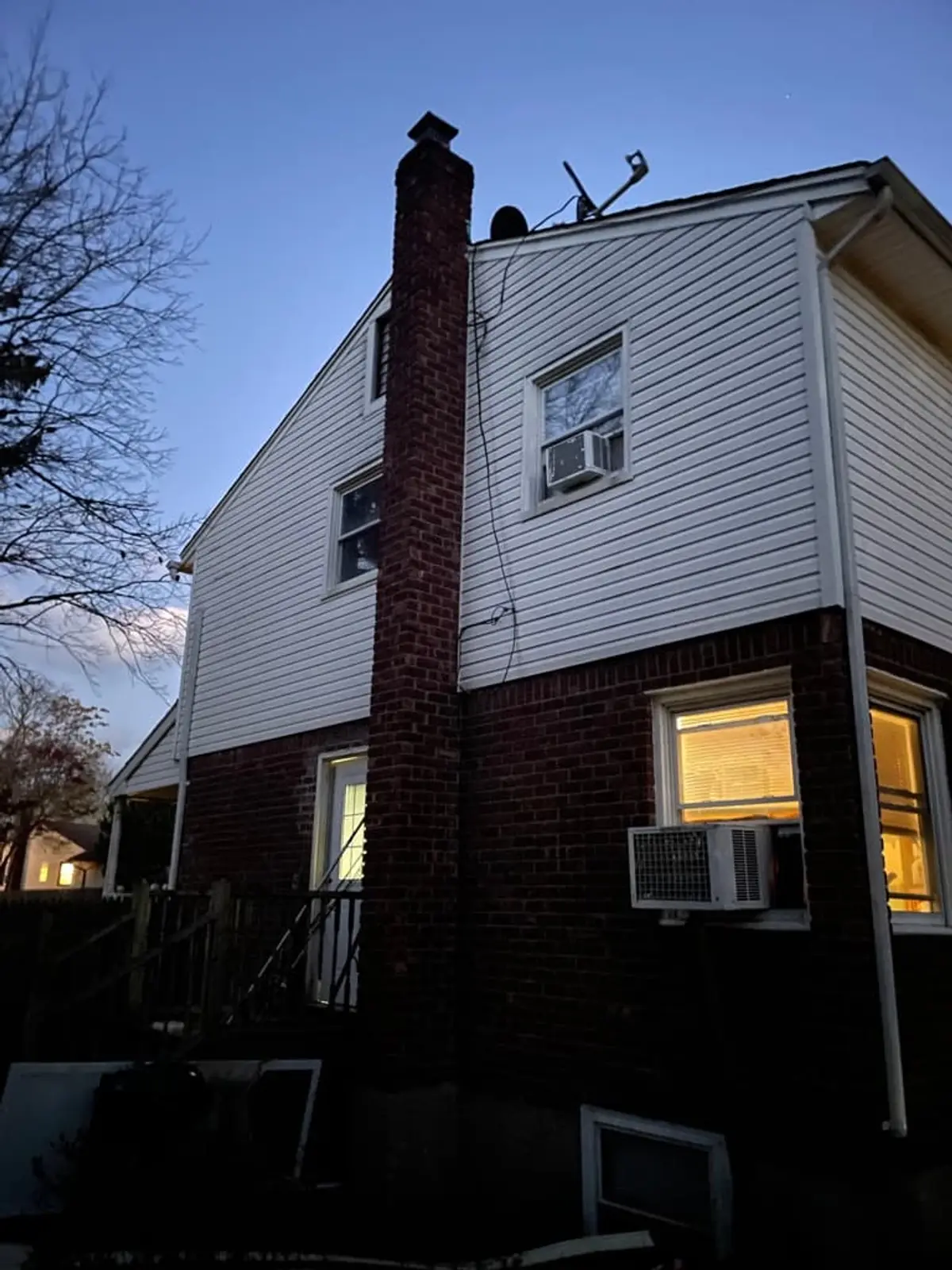
Centereach is roughly 30,980 people in Suffolk County, ZIP 11720, and the housing stock is mostly ranch, hi-ranch, cape cod. Around Middle Country Road and Nicolls Road, most of it is old enough that the mechanicals are on their second or third life. We have been buying across Suffolk County for 15+ years. We know what the Middle Country Central School District does to a resale price, which blocks still have oil tanks in the ground, and what a house like yours is actually worth here.
The median is up 4.44% year over year as of 2026-05. A firming market gives you a little room for error on price, which is worth more than it sounds when the house is not in showable condition. At a $647,500 median, Centereach is a market where buyers expect to do some work. That helps a seller with a dated house and hurts one with a genuinely broken one, because the pool that will take on a project is not the same pool that will take on a gut. The median house here goes under contract in about 33 days, which is quick for Long Island. It is also a figure that only applies to property in showable condition.
The house is usually the part nobody kept up
A trustee frequently opens the door on a house nobody has properly looked at in years and immediately assumes it needs tens of thousands of dollars of work before it can be sold. For a retail listing, sometimes that is true. For a sale to us it is not.
We price the trust property as it stands today, which means a trustee never has to spend beneficiary money on repairs as a gamble about what a future buyer might want.
The number in the family is often out of date
The median house in Centereach sold for $647,500 and took about 33 days to go under contract, then another 45 to 60 days waiting on the buyer's mortgage. That is 78 to 93 days in total, for a house that was ready to show on day one. If the property has been held in the trust for decades, the number in everyone's head may be badly out of date in either direction.
We will tell you what we see, and if a straightforward listing would do better for the beneficiaries we will say that instead. That is a more useful answer than a figure designed to get us the house.
How selling a house held in a trust in Centereach works
- 1
Tell us where it is
Just the address in 11720 and roughly what shape it is in. It takes a couple of minutes. Leave the house exactly as it is; we do not need it tidied, photographed or fixed.
- 2
We walk through it once
A single visit by one person, normally under thirty minutes. With a ranch or hi-ranch built when most of Centereach was, the roof, heating and electric matter far more to us than the kitchen does.
- 3
We put a figure in writing
You have a written number within 24 hours, a single figure rather than a "somewhere around". Feel free to check it with a Suffolk County agent. When a house is ready to list as it is, listing can beat us, and we would rather you knew.
- 4
You pick the closing date
Fast if you need fast, or months out if you are waiting on probate, a tenant, or somewhere to move to. Either way you skip the 78 to 93 days a listed Centereach house spends finding a buyer and then waiting on that buyer's mortgage.
Who has authority to sell the Centereach trust property
Authority is the first question in any trust sale, and it is a question for the trust document and the trust attorney rather than for a buyer.
A successor trustee usually holds the same power to sell that the original trustee held, but the proof required is different. Sort that out at the beginning. It is a straightforward piece of work when it is done early and a genuine problem when a Centereach closing is already scheduled.
Documents a Centereach trust sale needs
Title companies read trust documents carefully, and they are looking for specific things: who may sell, whether anyone else must consent, and whether any notice is required first.
If your trust has a clause like that, it is far better to find it now. The trust attorney can read it in an afternoon and tell you what the trustee has to do before signing. We will wait for that rather than push you past it.
How we arrive at a number on a house held in a trust
On a house held in a trust, the number comes from three things: what it will be worth when the work is finished, what the work will cost, and a cushion in case we are wrong on either. That is all there is to it. There is no formula we are keeping from you.
- What it is worth repaired. Not the Centereach median of $647,500 on its own, but what houses like yours on your street actually closed at recently.
- What the work costs. Roof, boiler, electric, the kitchen and bath. In Centereach the stock is largely ranch and hi-ranch, and on houses that age the mechanicals are usually the expensive part rather than the cosmetics.
- How long we will hold it. The median Centereach house goes under contract in about 33 days once it is showable, then waits 45 to 60 days more on the buyer's lender. Ours has to get to showable first, and we carry taxes and insurance across the whole of it.
- What we are wrong about. Some of what a house needs only shows once the work starts. We price that in, and it is a big part of the gap between a cash offer and a retail sale.
Why this works for us when it would not for you
This is the part cash buyers tend to gloss over. We run millions of dollars of construction a year. That buys materials at contractor pricing and keeps our own crews working through the year, so the same renovation costs us roughly half what it would cost you to hire it out.
That is the business in one line. It is also why renovating before a sale rarely pays: you would buy the same roof and boiler at retail and hope to get it back at resale, which usually does not happen. We do not make our money by paying you less. We make it by building for less.
If the number does not work for you, tell us so. We would rather have that conversation than pressure anyone. We will look at where you are and give you an honest read on your options, including ones that do not involve selling to us. Plenty of sellers are better off with an agent, and we will say so if you are one of them.
The question we will always send you elsewhere with
Whether the trust is revocable or irrevocable makes no difference to the mechanics of our offer. It can make a great deal of difference to the tax treatment on your side, and that is a question for the trust attorney and a CPA rather than for a buyer.
We say this on every trust sale we work on. It is the one area where the right professional answer is worth considerably more than the speed of a closing.
Common questions
Do you need to see the trust document?
We ask for the pages showing who the acting trustee is and what they are permitted to sell. A certification of trust often covers it. The title company will want the same thing.
Irrevocable or revocable, does it matter to you?
Not to the mechanics of our offer. It may matter a great deal to the tax treatment on your side, which is a question for the trust attorney and an accountant.
Can a successor trustee sell a Centereach house without going to court?
Usually yes, provided the trust grants the authority and you can prove you are the acting trustee. The trust document governs, so get the attorney to confirm it in writing before you sign anything.
Do the beneficiaries have to agree to the sale?
Some trusts require consent or advance notice and some do not. The trust document decides it, and the trust attorney should read that clause before a contract is signed.
Will you buy a Centereach trust property that has been empty for years?
That is most of what we see. Empty Centereach houses, deferred maintenance, contents nobody has dealt with. None of it changes the number after we have given it to you.