How we help with a lien on a Centereach house
Finding a lien on your house is unsettling, and most people's first assumption is that it has blocked the sale entirely. Usually it has not. A lien is a problem of information more than money. Most get paid out of the proceeds at closing and the house transfers clean.
We buy Centereach houses with a lien recorded against them routinely, and we are not deterred by the title search turning up another one. Our attorneys deal with lienholders regularly and know which kinds negotiate. Tell us what you are aware of, and let title surface the rest rather than paying anything out of pocket first.
Clearing a lien from the proceeds of a Centereach sale
Think of a lien as a claim against the money rather than a lock on the door. When the house sells, each lien gets paid in its order and whatever remains is yours.
That is why paying a lien off in advance is rarely necessary. The sale itself is the mechanism for clearing it, and the attorneys handle the paperwork that proves it was cleared.
The Centereach market underneath this
The median is up 4.44% year over year as of 2026-05. A firming market gives you a little room for error on price, which is worth more than it sounds when the house is not in showable condition. At a $647,500 median, Centereach is a market where buyers expect to do some work. That helps a seller with a dated house and hurts one with a genuinely broken one, because the pool that will take on a project is not the same pool that will take on a gut. The median house here goes under contract in about 33 days, which is quick for Long Island. It is also a figure that only applies to property in showable condition.
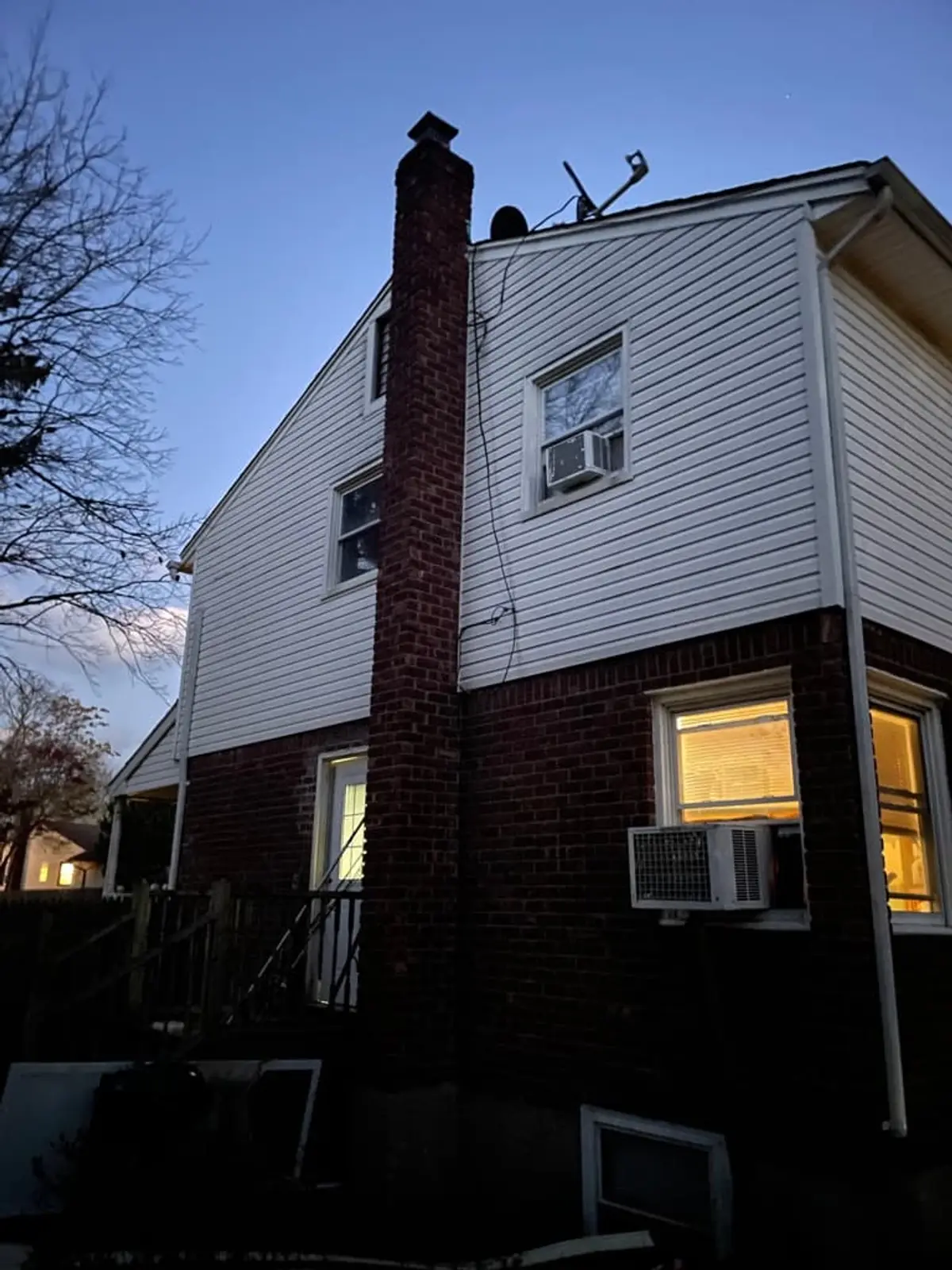
A four-bedroom on Park Street. In Centereach, bought and paid for by us.
The ones nobody knew were there
Houses accumulate claims quietly. Work that was disputed and never resolved, a judgment from a decade ago, a municipal charge that was never billed properly. A Centereach house that has been in one family for a long time can carry a lien nobody living remembers.
None of this makes a sale impossible. It makes an early title search worth doing, and it makes it worth telling us up front what you suspect rather than hoping it stays buried.
Which liens are routine and which actually slow a sale down
Some liens settle themselves at the closing table. Others need a conversation with the lienholder first, and a few need an attorney to challenge whether the lien was properly filed at all.
We will tell you which category yours falls into as soon as we see what is recorded against a Centereach property. That is not a legal opinion and we will say so, but it is a realistic read from having bought a lot of houses with a lien on them.
What you do not pay when you sell a house with a lien
These are the costs of putting a house with a lien on the market through an agent. None of them apply when you sell to us.
- Agent commission
- $32,375 at 5% of the Centereach median none
- Seller closing costs
- About $12,950 on a $647,500 sale. We can cover these. none
- Repairs to make it listable
- The work it needs to show well, out of your pocket first none
- Cleanout and removal
- Charged by the truckload, and done before the first showing none
- Carrying costs while it waits
- Taxes, insurance and utilities for the 78 to 93 days of finding a buyer and waiting on their mortgage none
How to find out what is actually on the property
If you want to look for yourself, an attorney or a title company can run a search and tell you exactly what lien or judgment is recorded against the house, and for how much. Some owners want that certainty before they talk to anyone, and that is a perfectly reasonable way to start.
If you would rather not spend the money yet, talk to us first. The search happens either way, and you will know what any lien against the house actually says before you are committed to anything.
How selling a house with a lien in Centereach works
- 1
You give us the address
The street address in 11720 and a sentence or two about the condition, by phone or the form. No photos needed, and nothing has to be cleaned or repaired first.
- 2
One short visit
One of us comes by once, usually for less than half an hour. On a ranch or hi-ranch like most of Centereach, what we look at closely is the roof, the boiler and the wiring, not the finishes.
- 3
We put a figure in writing
You have a written number within 24 hours, a single figure rather than a "somewhere around". Feel free to check it with a Suffolk County agent. When a house is ready to list as it is, listing can beat us, and we would rather you knew.
- 4
You choose when to close
Soon, or months away if probate, a tenant or your next move has to come first. You also avoid the 78 to 93 days a listed Centereach house typically takes to find a buyer and get through the buyer's mortgage.
When the liens exceed what the house is worth
If every lien recorded against the house adds up to more than the house will fetch, a sale still happens only if the lienholders agree to take less. That is their decision, not ours and not yours, and nobody can guarantee how it goes.
It is worth attempting more often than people think. We have worked through situations like it, and where it needs an attorney to lead the negotiation, we will tell you that and point you to one who does this work.
Common questions
Do I need to clear the lien before selling my Centereach house?
No, and please do not pay anything out of pocket on the assumption that you must. Talk to us and to an attorney first.
What if I dispute the lien?
Bring in an attorney, because whether a lien was properly filed is a question only counsel can answer. A dispute does not automatically stop a sale, and we can recommend somebody who handles these if you need a name.
Will a lien show up even if I never knew about it?
Yes. A title search reports everything recorded against the property, including a lien from a previous owner or one nobody in the family remembers. That is what the search is for.
Can you still buy if there is more than one lien on the house?
We buy Centereach houses carrying several at once. The attorneys sort the priority and the payoffs; the only question worth asking is whether the house covers the total.